

Mineral Description
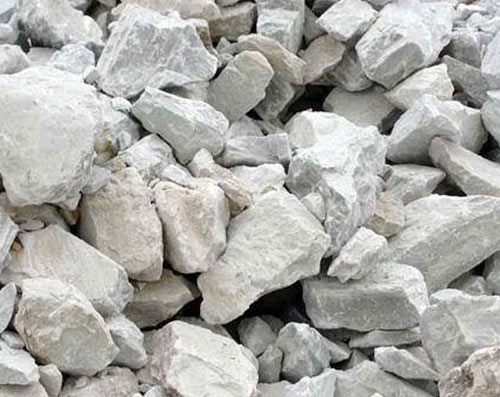
Gypsum (Calcium Sulfate Dihydrate – CaSO₄·2H₂O) is a widely used industrial mineral essential in cement manufacturing, construction, agriculture and chemical industries. Gypsum typically appears in white, beige or slightly translucent tones depending on purity and geological formation.
Industrial Uses and Applications
- Cement industry: used as a set retarder in clinker production.
- Construction: raw material for plaster, gypsum boards, coatings and prefabricated elements.
- Agriculture: soil conditioner that improves structure, reduces salinity and adds calcium and sulfur.
- Ceramics: used for molds and specialty components.
- Chemical industry: raw material for calcium sulfate compounds and fertilizers.
- Foundry and crafts: used in mold-making and artistic applications.
Grades and Specifications
Typical CaSO₄·2H₂O content ranges from:
- 85% – 90% gypsum
- 90% – 95% gypsum
- 95% – 98% (high-purity grade)
Extraction and Processing
Gypsum is extracted from open-pit quarries. After mining, it is crushed, screened, optionally washed and ground into different particle sizes depending on the final application.
Major producing regions include Pakistan, Turkey, Spain, Iran, Mexico, India and Oman.
Gypsum Supply – PEI PADIMAR
PEI PADIMAR supplies gypsum in lumps, crushed material and powder for cement, construction, agriculture and chemical industries. Multiple grades and particle sizes are available.
Delivery options include 25 kg bags, 1-ton big bags and bulk shipments with full documentation (COA, MSDS and Certificate of Origin).
Short Version for Catalog / WhatsApp
Industrial gypsum (85%–98% CaSO₄·2H₂O) for cement, construction, agriculture and chemical applications.